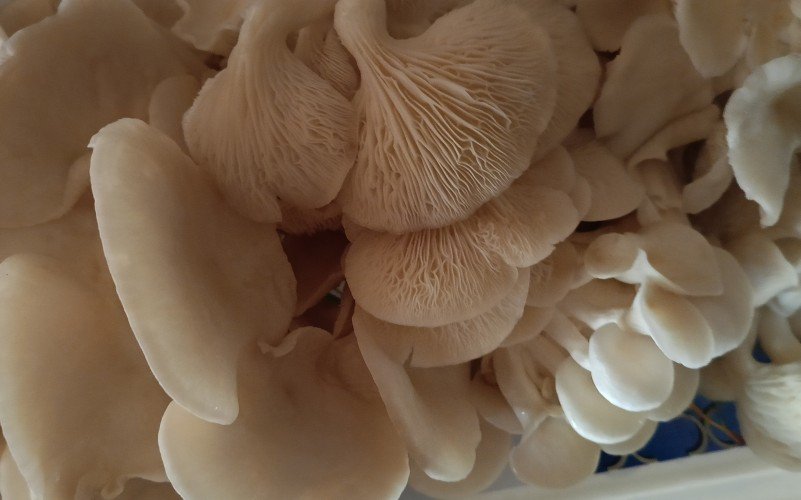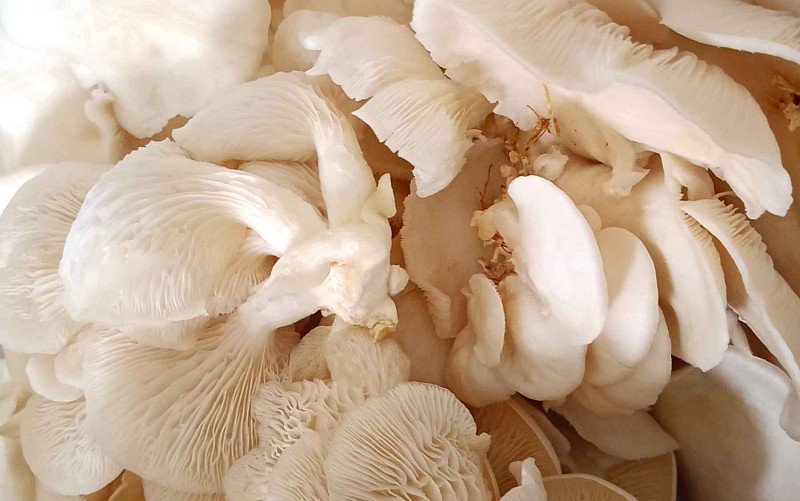
The term mushroom means in general a fungus but commonly it is the fruiting body of some fungi which produce and disseminate spores. Like all other fungi, they lack Chlorophyll and thus cannot produce their own food. They grow saprophytically or sometimes symbiotically upon other dead and living plants respectively to obtain organic matter as food. Mushrooms are variable in size and shape. Many have cap and stalk but some varieties are devoid of stalk. Some varieties even produce fruit bodies below the ground. There are large number of species growing wild in nature, while many are edible, some are highly poisonous. Mushrooms are popular for their delicacy and flavour. They are excellent sources of vitamins, proteins and minerals. They are good source of Vitamin ‘B’, folic acid, the blood building vitamin, useful in anaemic condition. They also contain pantothenic acid, vitamin B-12, ascorbic acid and the precursor of vitamin A and D. They are also good source of phosphorus, potassium, and iron, copper, contain all essential amino acids particularly L-lysine and L-tryptophan. Mushrooms contain least quantity of carbohydrates as well as fats, hence very valuable diet for those suffering from diabetes and heart problems. With increasing population, food demand problems in developing and under developed countries, mushrooms can play an important role to enrich human diet particularly in India where a large section of the population are vegetarians. It is an ideal means of recycling agro-wastes which are available abundantly.
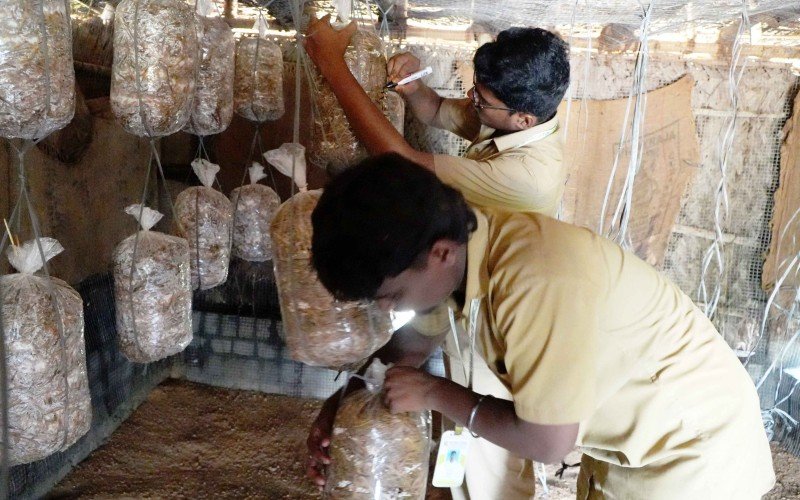
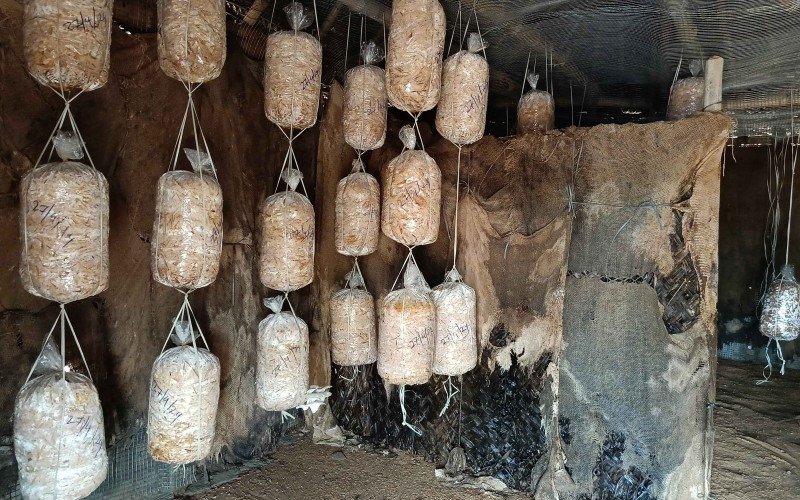
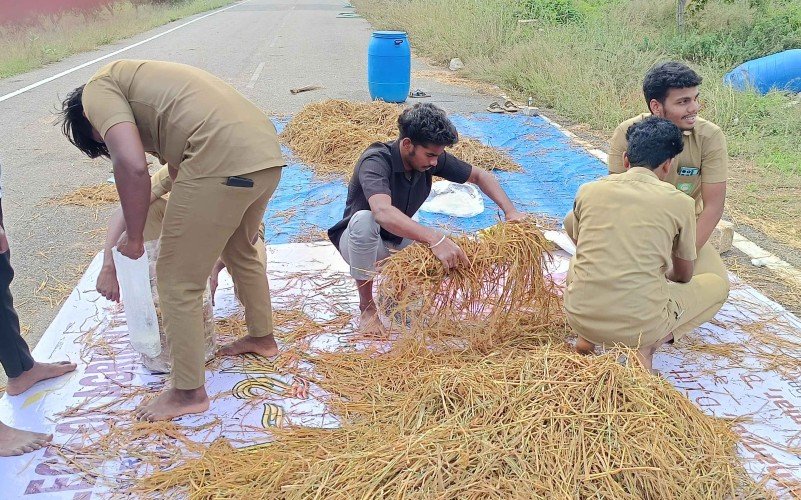
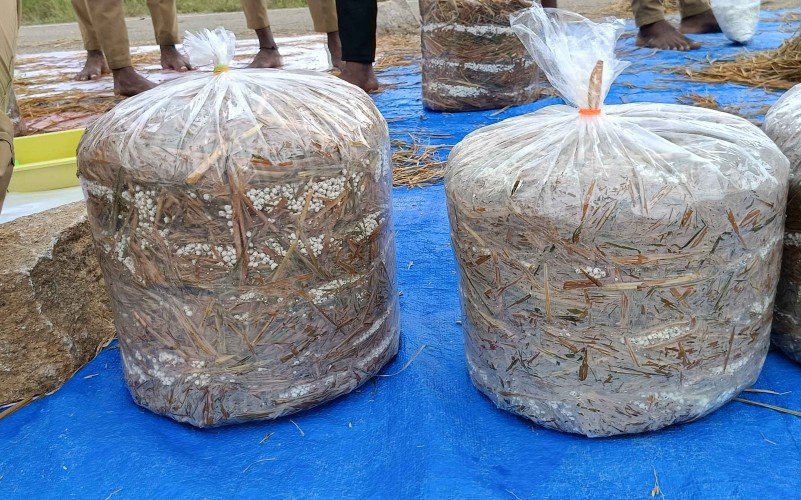
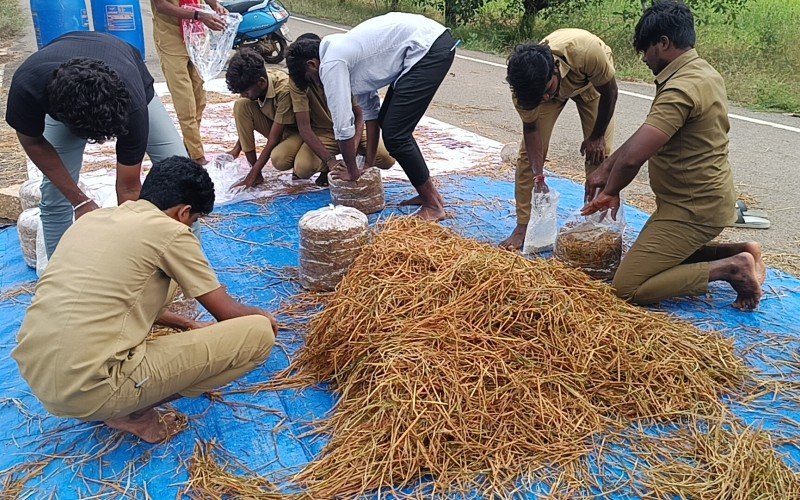
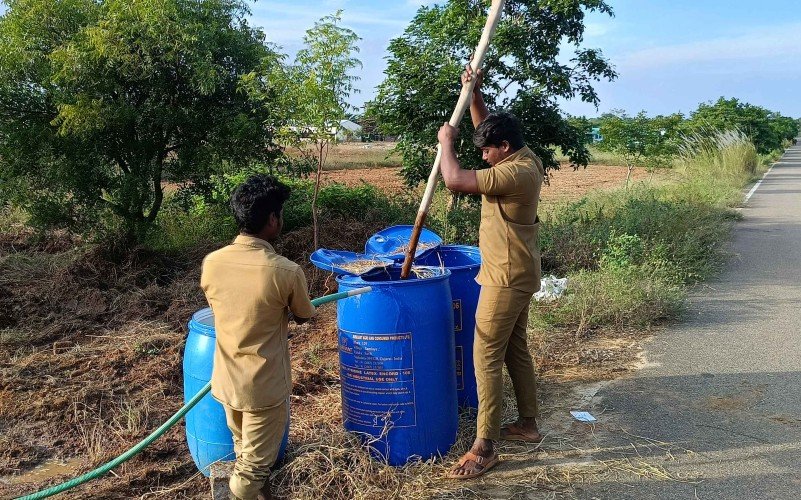
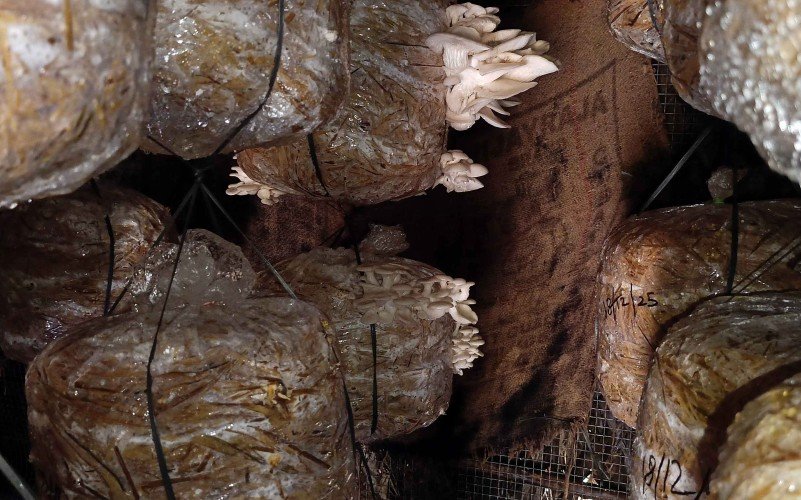
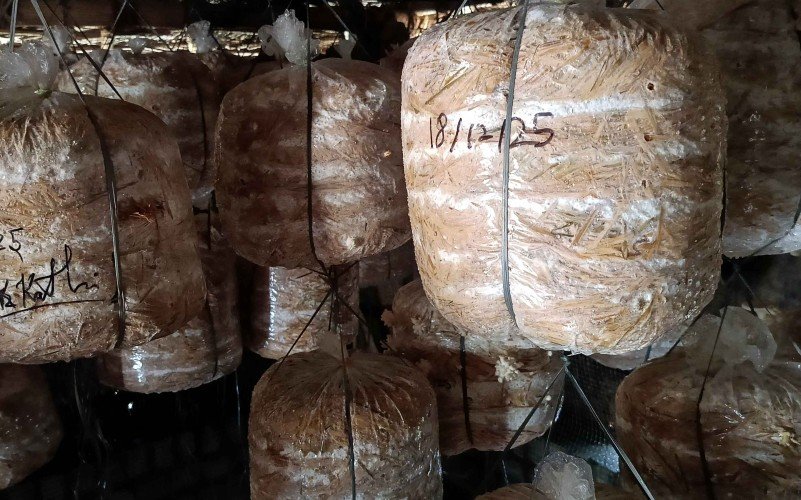
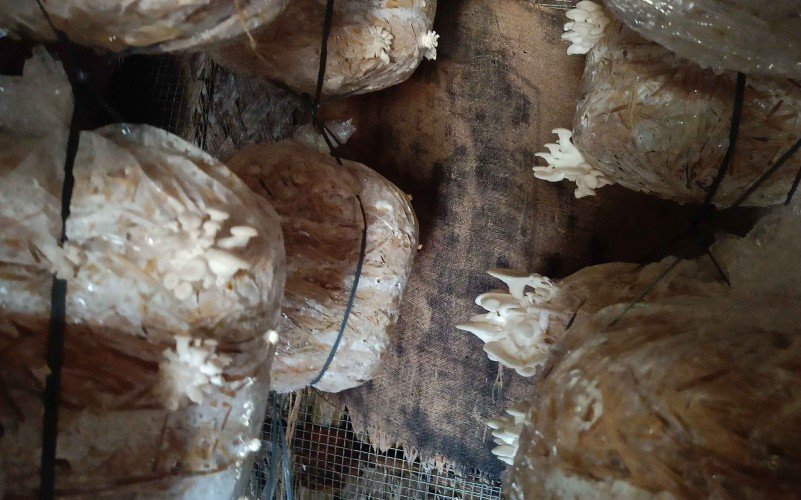
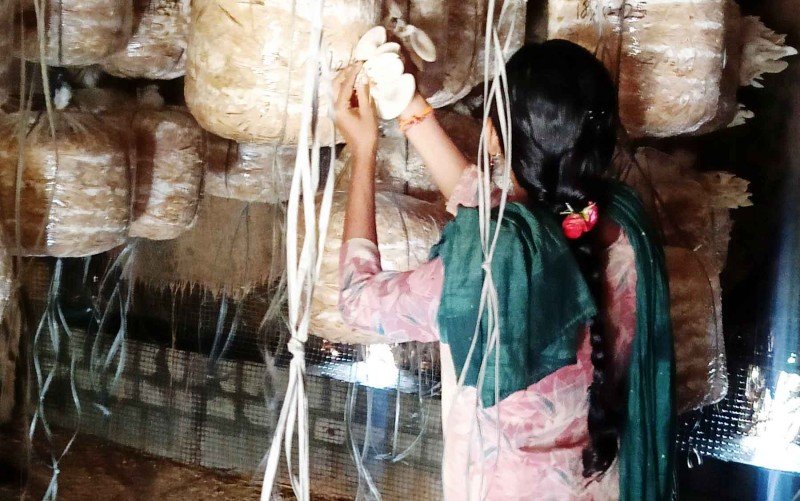
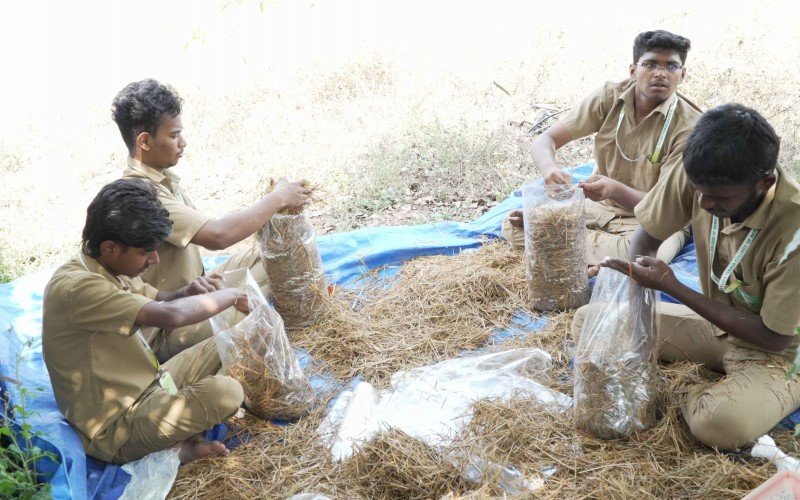
The Department of Plant Pathology at our college is actively developing oyster mushrooms. Students are well schooled in both the theoretical and practical elements of mushroom growing. Students in the commercial mushroom cultivation course (PAT 452) actively engage in the cultivation process as part of their experience learning. Furthermore, we provide hands-on training to locals, particularly farmers, to educate them on the benefits and practices of mushroom farming.