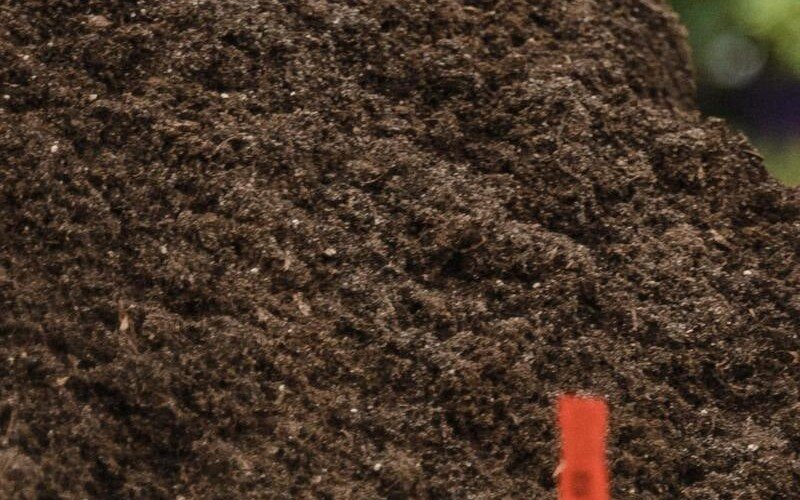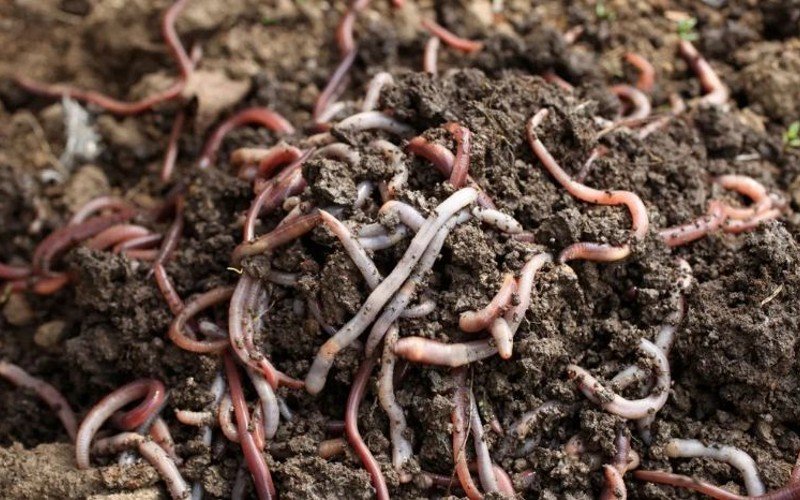
The main objective of vermicomposting project is to produce organic manure of exceptional quality for the organically starved soil. Agricultural wastes, wastes from dairy and animal farms are usually dumped into at places resulting in a foul smell. By vermicomposting these wastes, they are not only utilized efficiently but also help in making a value-added product.
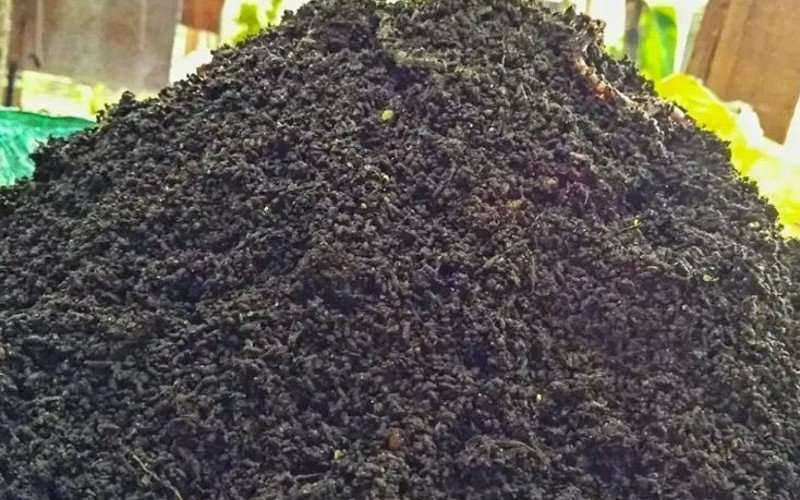
Here, we have followed tub method for production of vermicomposting. Vermicomposting bed was prepared by placing a layer of fine sand in the bottom of tub (3 cm) followed by a layer of garden soil (3 cm). Then add rice straw (3 cm) followed by cow dung (3 cm). Similarly, the rice straw and cow dug layers were added in the tub up to rim. The top of the layer was covered with soil. All layers were moistened with water. Finally, the layers were covered with gunny bag. Regular watering should be followed. After 45 to 50 days the compost was pre digested at that time the earthworm was released in to the tub. Then again wait for 30 days, the vermicompost was fully matured and ready to harvest. The maturity was judged visually by observing the formation of granular structure at the surface of the tank. The matured vermicompost was harvested by scrapping layer-wise from the top of the tank and kept it under shade for future use.
The final vermicompost product was rich in soil nutrients, plant hormones and enzymes it includes nitrogen, phosphorus, potash, calcium, magnesium, sulphur, iron, copper, zinc manganese, auxins, gibberellic acid, phosphates and cellulose.
The basic organic agricultural inputs as vermicompost can be supplied to the farmers this will facilitate organic crop production and generate income as well as employment in the rural areas.